
What garage door opener is best?
We help homeowners choose the right opener for their home with clear, practical advice. Our team explains how door size, weight, and daily use affect the right pick. We focus on durable drives, real-world features, and long-term service.
Emerald Garage Door Services is family owned and serves Central Florida. We install and repair openers with modern tech. Our technicians are licensed, insured, and background-checked.
Parts and labor are guaranteed. We offer 24/7 support for fast help and honest guidance. Read on for a short guide that demystifies choices and boosts your confidence.
Key Takeaways
- Match power and drive type to your door’s size and weight.
- Choose quiet drives where noise matters; pick robust drives for heavy doors.
- Smart features add convenience but can require extra setup or cost.
- Average opener life is 10–15 years; upgrade when reliability drops.
- We provide licensed, guaranteed installation and 24/7 customer support.
Quick answer: the best opener depends on your door’s size, weight, space, and noise tolerance
Matching power to size and weight ensures smooth open close operation and extends component life. We begin by measuring height, width, and the door’s actual weight. That tells us the horsepower range that will move your door safely without overdriving the system.
Noise and placement matter. If the garage sits under or next to bedrooms, we steer toward quieter belt drives to cut vibration and nightly disruptions. For detached units, a chain drive gives strong, economical operation where noise is less critical.
- Accurate size weight data guides correct horsepower selection.
- Attached homes get quieter options; detached spaces can favor value-forward choices.
- Space limits may require alternate mounting styles to free ceiling room.
- We avoid overpowering a setup; too much horsepower can accelerate wear.
We tailor recommendations to your measurements and daily cycles. Then we install with full guarantees so your system runs reliably from day one.
How to choose a garage door opener like a pro (Buyer’s Guide for the United States)
Select an opener by balancing horsepower, drive type, and the smart features you’ll actually use. We start with simple measurements, then match power to size and weight so the system runs reliably for years.
Key factors to evaluate
Horsepower and motor — Pick power that suits door mass and daily cycles. We explain AC versus DC motors so you get steady starts and long life.
Drive type — Chain and belt drives differ in noise and maintenance. For attached units, quieter belt drives often make sense. Detached setups can accept a chain drive for value and strength.
Safety and backup — Photo eyes, auto-reverse reliability, and proper force settings protect people and pets. Battery backup gives access during outages, vital in storm-prone areas.
Smart features, control, and budget
App access and remote control add convenience. We call out any subscription or accessory costs up front so there are no surprises.
- Match horsepower to size and weight for longevity.
- Consider motor type for smooth, efficient operation.
- Insist on safety sensors and battery backup for storms.
Local service advantage: We help Central Florida homeowners compare options, install with guarantees, and provide 24/7 service and support.
What garage door opener is best for your door size and weight?
Proper horsepower keeps heavy panels moving safely and reduces service calls. We begin by measuring height, width, and estimating weight. Then we match motor capacity to real loads and daily cycles.
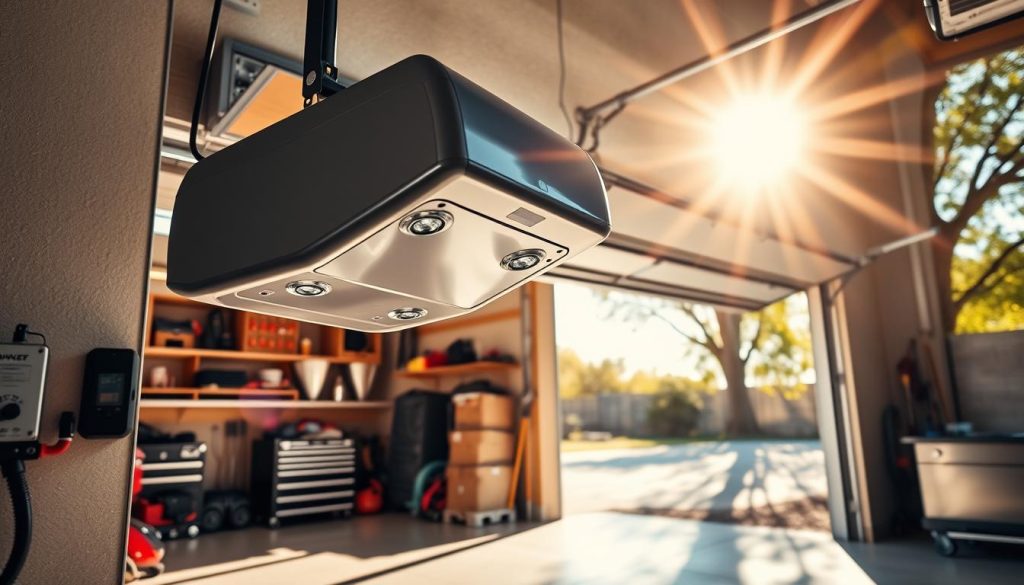
Horsepower guidance
Most residential systems start at 1/2 HP. That works for standard panels with normal use.
For heavier materials or high-cycle use we recommend 3/4 HP or higher. Taller or insulated doors often need more power to open close reliably.
When too much power can harm components
Overspecifying power can slam panels, stress hinges, and wear springs faster.
We verify balance, check springs, and set soft-start/soft-stop behavior to protect hardware.
- We calculate size weight to align horsepower with actual loads.
- We avoid overpowered setups that shorten component life.
- After installation we fine-tune force limits and travel for safe, consistent operation.
Belt drive vs. chain drive: which is right for your home?
Our team compares belt and chain systems so you pick the right fit for layout, noise, and long-term care.
Belt advantages and limits
Belt systems run quietly and often deliver faster cycles. That makes them ideal when the garage sits under or next to bedrooms.
Belt traction can vary in high heat or humidity. We review materials and maintenance so slippage stays rare.
Chain strengths and upkeep
Chain systems offer strength, value, and a long service life. They tolerate heavy panels and high cycles with simple periodic lubrication.
Expect more mechanical noise and slight vibration, especially in attached structures. Upgraded rails cut vibration and extend parts life.
Daily trade-offs and our recommendation
- We prefer belt for attached homes where quiet matters and early departures should not wake the house.
- We recommend chain for detached builds or heavier garage door setups where durability and cost matter most.
- Our installation guarantees proper tension, alignment, and 24/7 support so your chosen drive performs reliably over time.
Screw drive openers: fast, durable, and simple—are they a fit?
Screw drive systems use a threaded steel rod to move panels quickly with fewer moving parts. They often deliver brisk travel and smooth motion compared with chain drive and belt setups.
Simple mechanics means lower wear points. That reduces routine repairs and suits wider or heavier garage door panels that need steady performance. We check motor size, rail length, and mounting before recommending a model.
Temperature swings can affect threaded rods. In cold weather contraction may slow operation. We set lubrication schedules and pick materials to limit seasonal binding.
- Fewer parts, longer service intervals and reliable runs for high-cycle use.
- Generally quieter than chain, though belt still leads on noise reduction.
- We tune force and limits at install so hot or cold shifts don’t harm safety.
Our approach: we balance cost, speed, and climate resilience and handle setup, lubrication guidance, and ongoing maintenance to keep your system running on time.
Jackshaft (wall-mounted) openers: reclaim ceiling space without sacrificing power
Wall-mounted jackshaft units free your ceiling so tall vehicles and storage racks fit with ease.
Space and safety benefits: Mounting the drive on the side wall moves hardware away from overhead. That reduces vibration and clears room for lifts, shelves, or tall roofs.
Requirements and site checks
These systems need sectional doors with torsion springs, an accessible outlet on the side wall, and enough ceiling height for shaft placement.
- We recommend wall-mounts when ceiling clearance matters for lifts or storage.
- We verify torsion springs, power access, and shaft location before install.
- While upfront cost is higher, the clean layout and reduced vibration pay off for many owners.
Our promise: We perform code-compliant installs, align shafts and couplers, set limits, and explain maintenance so daily access stays effortless and secure.
Direct drive systems: quiet minimalism with low maintenance
Direct drive units offer a stripped-down approach that keeps operation whisper-quiet and service needs low.
Simplicity pays off: These systems move panels with a single, compact mechanism. Fewer parts mean fewer failures and less routine care over time.
Why simplicity can be worth the higher upfront cost
Direct drive models are less common in the U.S. and may run slower than belt or chain options. That slower travel often comes with smoother motion and far less vibration.
- Minimal parts and low upkeep make long intervals between service realistic.
- The higher initial price can save time and money on repairs over the years.
- We review availability and parts sourcing so you know serviceability before purchase.
- When direct drive won’t suit budget, we’ll suggest a quiet belt alternative that hits similar goals.
Our install promise: We set precise alignment and travel limits to protect hinges and springs. Then we back that work with our guarantees and ongoing support.
Smart garage door openers and app control: features to look for today
Smart access adds remote convenience and practical safety to daily routines. We set up secure app links so you can monitor status and grant temporary entry from anywhere.
Wi‑Fi, app access, alerts, and video integration
Wi‑Fi lets an app command open and close actions and send instant alerts. Some models add video for visual confirmation before you grant entry.
We configure secure app accounts, show how to share digital keys safely, and test notifications so deliveries or tradespeople arrive smoothly.
Connectivity caveats and possible add‑on costs
Reliable Wi‑Fi is required for steady performance. We review signal coverage and recommend range extenders when needed.
- We verify app control, test open close commands, and confirm backup access paths.
- We explain subscription or add‑on fees up front so there are no surprises.
- We set schedules and geofencing where supported to automate daily routines.
Motor types explained: AC vs. DC for power, efficiency, and smooth operation
A motor’s torque and control scheme shape how smoothly your panels start, stop, and last.
AC motors deliver raw power for heavy panels and high duty cycles. They handle tough loads with steady force. Expect louder running and higher energy draw versus DC units.
DC motors shine in most residential settings. They run quietly and offer soft-start and soft-stop control. That reduces stress on hinges, springs, and tracks. DC models often include battery backup options and variable speed control for refined operation.
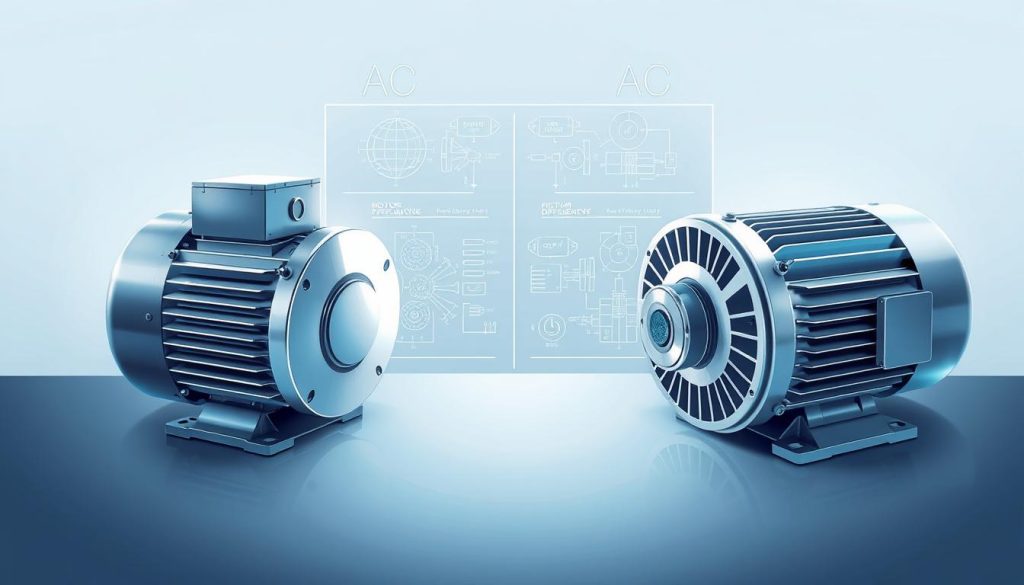
How we match motor choice to your needs
- We use AC when your door demands maximum torque and frequent cycles.
- We favor DC for homes that need quiet, efficient daily performance.
- We weigh noise, efficiency, and location relative to living spaces like bedrooms.
- We tune force, travel, and speed so the system protects hardware and feels reliable.
Our promise: We’ll match AC or DC to your layout and usage, then install and calibrate the unit for quiet, dependable operation that fits your home.
Safety first: sensors, auto‑reverse, and battery backup you should insist on
A reliable sensor array and strong backup power keep families moving when it matters. We install and test protective systems so they respond every time. Our goal is predictable access, smooth control, and clear peace of mind.
Photo‑eye alignment and reliable reversal protect people, pets, and vehicles
Photo‑eye sensors stop and reverse the travel when a beam is broken. We verify alignment and clean lenses so sensors catch obstructions without nuisance trips.
Auto‑reverse prevents crushing on contact. We tune force settings to reverse on light contact yet avoid false activations. That balance protects children, pets, and parked cars.
Battery backup for access during outages
Battery backup keeps systems powered during storms and outages. In Central Florida, backup power saves time and frustration when grids fail.
- We verify photo‑eyes are aligned and clean so the system reliably detects obstructions every time.
- Force settings are tuned to reverse on contact without false trips, balancing safety and consistent operation.
- Battery backup keeps your family moving during storms and outages, a practical must in this region.
- We test wall buttons, remotes, and app commands to confirm predictable, safe responses across inputs.
- Regular safety checks prevent nuisance errors and ensure protection for kids, pets, and vehicles.
We teach simple monthly tests you can run in minutes. If protective features are missing, we recommend upgraded parts and install them with parts and labor guaranteed. Our 24/7 support means a customer can call any time they notice unusual behavior.
The brand landscape: leading pro-grade and consumer models to consider
Durable rails, quality trolleys, and solid support separate pro systems from consumer picks. We evaluate how construction, app ecosystems, and long‑term parts access affect your ownership experience.
Pro‑grade advantages: Heavy‑duty rails, reinforced trolley designs, and enhanced security features reduce service calls. Many pro units include robust app control and clear alert systems that integrate video or notifications.
Practical checks and user realities
Some users report lights remaining on or unintended cycling. Those issues often trace to setup, firmware quirks, or weak signal ranges. We research model behavior and test each system before install.
- We guide you through differentiators: rail strength, trolley design, and parts availability.
- Security matters: reliable beams, locking functions, and clear alerts that flag unusual activity.
- App ecosystems vary; we compare reliability, notifications, and video options without extra fees.
- For wall‑mounted units we verify torsion compatibility and side clearance before recommending.
Our promise: We source and install high‑quality systems with durable rails, robust security, and dependable app ecosystems, and we stand behind every install with our guarantee.
Installation: DIY risks vs. professional service with guarantees
Proper installation prevents costly calls and keeps daily access predictable and safe. DIY projects can look doable until heavy lifting, wiring, and precise alignment cause trouble.
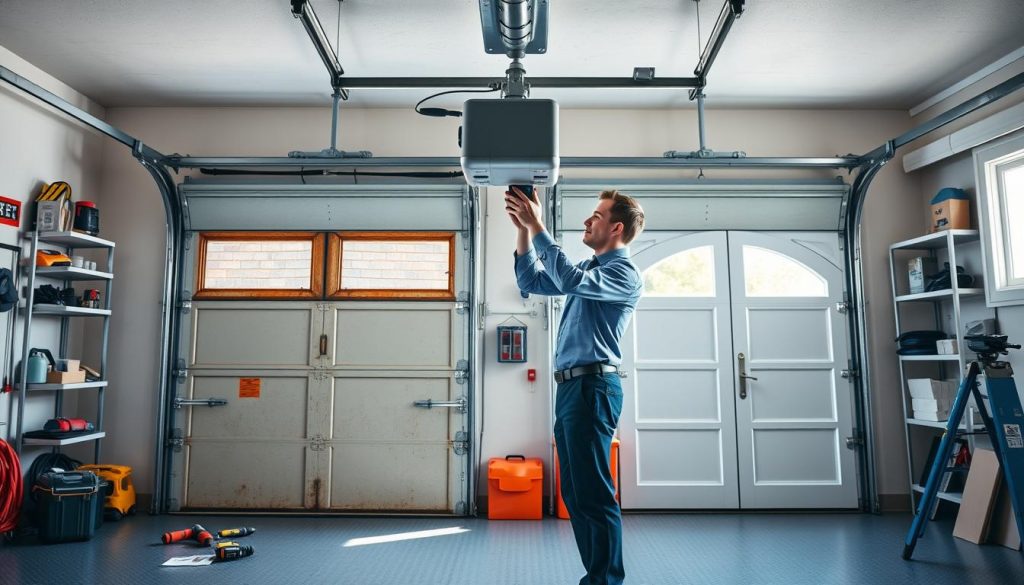
Heavy lifting, wiring, and code compliance considerations
Overhead components are heavy and dangerous without the right tools. Springs store a lot of energy. A single mistake can harm people or property.
We handle the heavy lifting, secure mounts, and follow electrical codes so your house stays protected. We also tune travel limits and safety force for daily use.
Why licensed, insured pros reduce risk and ensure long-term performance
We are licensed, insured, bonded, and background-checked. That protects you and keeps warranties valid.
- We manage precise alignment and bracing that reduce vibration and premature wear.
- Electrical work and code compliance are done right the first time to protect your home and investment.
- All parts and labor are guaranteed, with 24/7/365 availability for adjustments, remotes, or app setup.
Professional installation saves time and preserves warranty coverage. Our team uses experience and proven procedures so the system performs quietly and reliably for years.
Call Emerald Garage Door Services for expert selection and 24/7 installation in Central Florida
Reach out to Emerald Garage Door Services for fast, reliable selection and 24/7 installation across Central Florida. We help you choose the right system, then install it with care and code‑compliant practices.
Family-owned, licensed, insured, and bonded—background-checked technicians
We are a family business led by James Balfe. Our technicians are licensed, insured, bonded, and background-checked for your peace of mind.
Repair, installation, maintenance, and opener upgrades with latest technology
We repair and upgrade existing systems, add smart garage door features, and optimize safety sensors and battery backup. Our team configures app access and trains you on use.
All parts and labor guaranteed—your satisfaction is our top priority
- Guaranteed parts and labor. If something isn’t right, we make it right—any time.
- We handle springs, rails, app setup, and routine maintenance to preserve space and smooth access.
- 24/7/365 availability for emergencies, storm response, and time‑sensitive repairs.
Call (407) 788-1229 or email EmeraldGarageDoorServices@gmail.com—available 24/7/365
Schedule service or request urgent installation. We deliver a clear, confident customer experience and stand behind every job with an unparalleled guarantee.
Conclusion
A tailored selection balances power, silence, and safety for your home.
We match size and weight to motor choice, compare drives, and review smart app features so daily use stays smooth. Avoiding too much power protects springs, hinges, and tracks.
Safety matters. We install photo‑eyes, set auto‑reverse, and add battery backup where needed. Our team trains you and tests connectivity before we leave.
We offer guaranteed parts and labor plus 24/7/365 support. Call (407) 788-1229 or email EmeraldGarageDoorServices@gmail.com to schedule an evaluation. We’ll guide you from selection to confident installation of the best garage door opener for your home.
