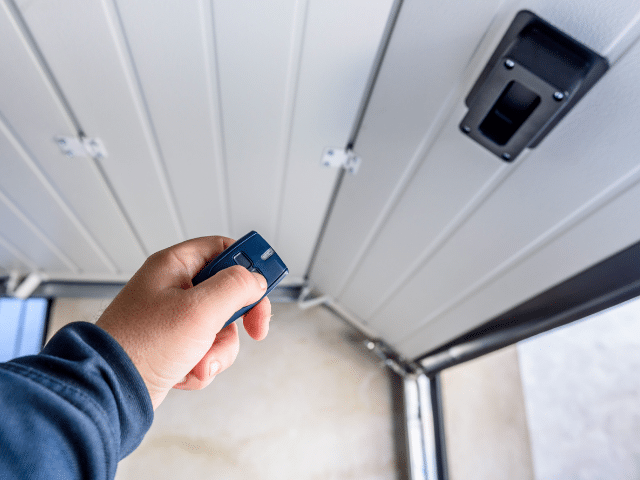
Curious how does garage door work and why one small part can stop your entire entry from opening? We explain the key idea in plain terms so you can trust your system again. A radio-controlled garage door opener powers a trolley and curved arm to move the door along its track. This coordinated action protects your home, family, and valuables each time you open close the entry.
We are a family-owned, licensed, insured, and bonded team serving Orlando and Central Florida. Every technician passes a background check. We guarantee all parts and labor and answer calls 24/7/365.
In the sections ahead, we will show major parts of the system, the signal flow from push to motion, spring counterbalance, common repairs, and safety essentials like photo eyes and auto-reverse. Call (407) 788-1229 or email EmeraldGarageDoorServices@gmail.com for fast, trusted service.
Key Takeaways
- We simplify the opener and system so you feel confident about daily use.
- Regular maintenance prevents small issues from becoming major repair needs.
- Our team is licensed, insured, bonded, and background checked.
- We guarantee parts and labor and provide 24/7 response in Orlando.
- Modern safety features like auto-reverse protect people and property.
Understanding Your Garage Door System at a Glance
We map each component of your entry so you can see what keeps it moving safely.
Standard residential systems include panels, an opener drive unit, vertical and horizontal tracks, rollers, hinges, torsion or extension springs, drums and cables, a curved arm, and safety reversing sensors.
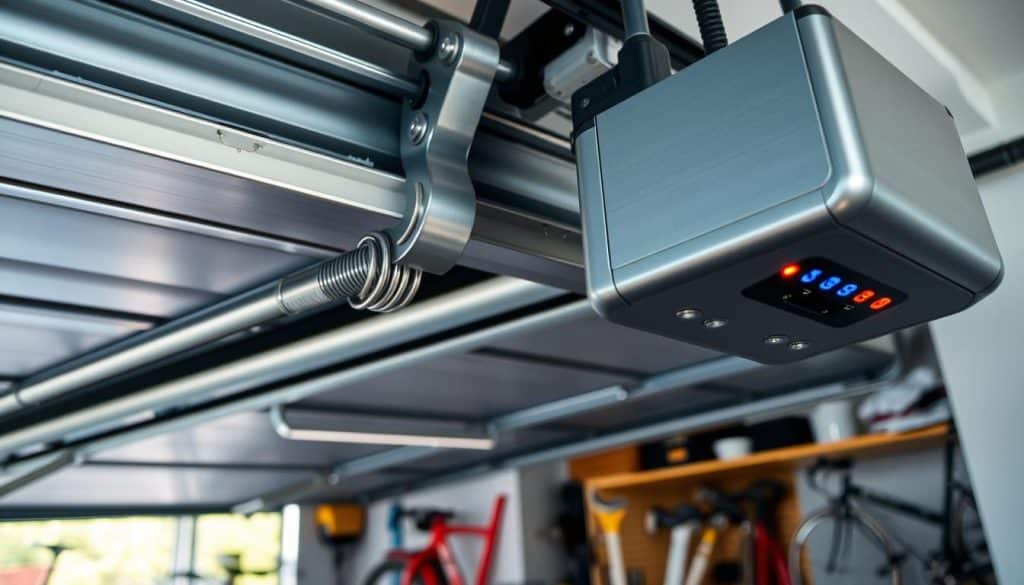
Main parts that work together
- Tracks guide the door first up, then back along the ceiling. Proper track alignment prevents binding and premature wear.
- Rollers reduce friction and noise. Nylon or well-lubricated rollers cut vibration and extend metal parts’ life.
- Springs store energy to counterbalance the door’s weight. Torsion springs sit above the opening; extension springs run along the sides with safety cables inside.
- Drums and cables lift evenly so the door does not rack or twist during motion.
- The curved arm links the trolley to the top section and keeps force distributed through a secure bracket and strut.
Why balance and alignment matter
When the system is balanced, the opener supports motion without strain. Misalignment or an unbalanced load causes noise, added wear, and safety risks.
We offer full inspections and tune-ups for every garage door system we service, backed by a complete parts-and-labor guarantee. Schedule at your convenience—our team is available 24/7/365 at (407) 788-1229.
How does garage door work: from push button to door movement
The instant you hit the push button, a radio handshake and mechanical action start the lift. Pressing a remote, wall switch, or keypad sends a coded radio signal to a receiver tuned to the same frequency. Rolling code technology changes the code each time for added security.
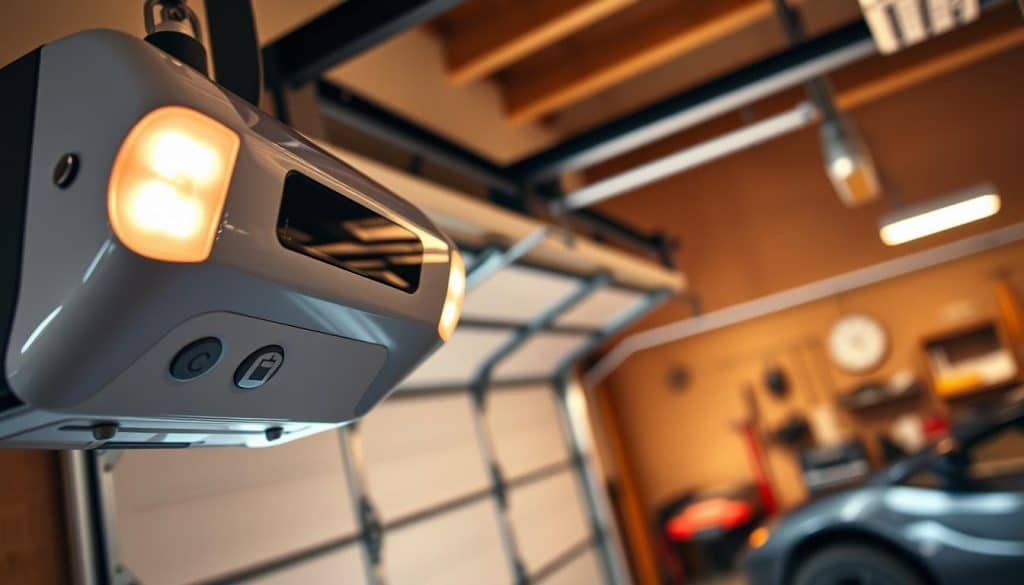
The radio signal and security
The transmitter and receiver exchange a unique code so only your opener responds. A downward antenna improves range and prevents weak reception. We diagnose signal problems and set up smart-enabled models with advanced security when requested.
Motor, trolley, and curved arm
An electric motor powers a trolley along a rail. The trolley links to a curved arm that transfers motion to the top panel. This motion lifts lower sections smoothly so the door opens without jerking.
Springs, cables, and balanced force
Springs share the load so the opener manages motion rather than bearing full weight. Cables wind on drums to raise the panel evenly. Photo eyes stop and reverse movement if the beam is broken. Pull the red emergency release to operate the system manually during outages.
- We test antenna position and signal range.
- We set travel limits so the door opens and stops accurately.
- Call (407) 788-1229 for smart opener recommendations and setup tailored to your door and budget.
Garage door opener types and what fits your home
Choosing the correct motor and drive type keeps your entry quiet and dependable for years.
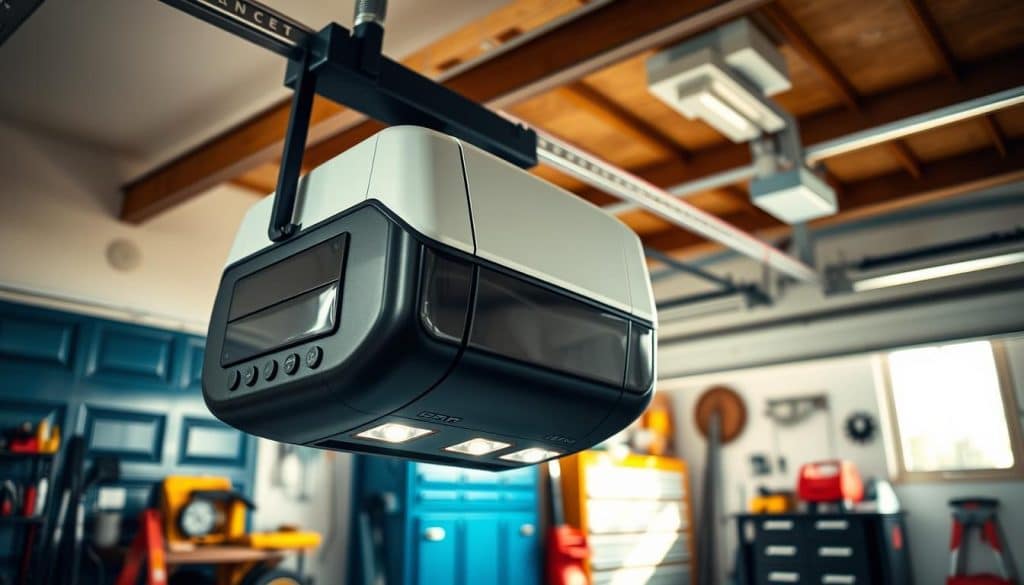
Belt drive units use a rubber belt for smooth, low-vibration operation. They run quietly and need less adjustment, so they suit attached homes and living spaces.
Belt drive vs. chain drive: noise, vibration, and maintenance
Chain drive models use a metal chain. They cost less but make more noise and need periodic tensioning. Chain is a solid choice for a detached unit or where budget leads the decision.
Screw drive and direct drive: smooth motion and low upkeep
Screw drives move the trolley along a threaded rod for quiet, low-maintenance motion. Direct-drive or side-mount units shift the motor itself and cut wear points. Both options work well where ceiling space or vibration control matters.
Horsepower and door size: selecting the right motor for single and double doors
- 1/3 HP for light single doors.
- 1/2 HP for most two-car sectional units.
- 3/4–1.5 HP for heavy or high-use installations.
Springs and balance affect perceived power. A well-balanced system prevents the opener from overworking.
We size and install opener types to fit your residential garage. Installations are licensed, guaranteed, and schedulable 24/7. Call (407) 788-1229.
Safety first: sensors, standards, and smart protections
Every installation and test centers on verified safety standards and smart protections. We follow the 2018 CPSC rules so entrapment reversal, external sensors, and a manual release are always in place.
Photo eyes, auto-reverse, and the 30-second rule
Infrared photo eyes mount near the floor. If the beam is broken, the opener must reverse within two seconds.
We also verify the 30-second reopen safeguard so the system reopens if it doesn’t fully close.
Emergency release and manual operation
The red release cord lets you detach the trolley and move the door by hand during outages. We demonstrate safe use and test manual operation on every visit.
Modern safeguards and integrations
We recommend battery backup to keep the opener running during storms. We enable rolling-code Security+ 2.0 and can set up MyQ or HomeLink for secure remote alerts and control.
- We verify photo eyes are aligned and clean.
- We test auto-reverse force and timing per code.
- We inspect springs, cables, limits, and the motor so safety logic works.
- We document checks and back all work with our guarantee and 24/7 support.
Your safety is our priority. Call (407) 788-1229 for immediate help from Emerald Garage Door Services.
Hands-on maintenance to keep your garage door in top shape
A few simple monthly tasks make your entry reliable all year. Regular care prevents small faults from becoming unsafe failures.
Monthly checks should include a visual inspection of tracks, rollers, and hinges. Tighten loose fasteners and look for worn parts that can cause vibration or rattling.
- Inspect tracks and clear debris to keep smooth door opening.
- Check rollers and hinges for wear; tighten hardware as needed.
- Examine cables and drums for fraying or uneven winding.
Lubrication keeps motion quiet and reduces strain on the motor and springs. Use a recommended lubricant on rollers, hinges, springs, and the drive system during tune-ups.
Safety sensor care matters. Clean lenses and align photo eyes so reversing works every time. Misaligned sensors cause nuisance reversals and can bypass protections.
We offer scheduled maintenance plans with full safety checks, lubrication, and tune-ups. Our licensed, insured, and bonded technicians handle high-tension springs and complex adjustments safely.
Call (407) 788-1229 to arrange a flexible plan that fits your schedule and keeps your garage door system running reliably year-round.
Troubleshooting common opener and door issues
Quick checks often solve the most common opener and lower door problems without tools.
If a remote fails, test the wall control to isolate a battery issue. Replace remote batteries and try again within about 20 feet.
Check the opener antenna. Make sure it points downward and is free from damage or blockage. Confirm the wall console lock isn’t engaged before further steps.
Closing or reversing problems
Inspect photo eyes for alignment and clean lenses. Remove objects from the track and clear dents that cause false reversals.
- Clean and realign sensors to stop nuisance reversals.
- Clear debris from the track so the lower door can lift lower without binding.
- Adjust travel and force limits to protect panels, hinges, and the motor.
When to call a pro
Broken springs or frayed cables are dangerous. Stop using the system and contact us for safe, professional replacement.
We provide 24/7 emergency repair across Orlando and Central Florida. All services, parts, and labor are guaranteed. Call (407) 788-1229 or email EmeraldGarageDoorServices@gmail.com anytime.
Conclusion
Trust our technicians to sync springs, tracks, rollers, and sensors so the whole system runs safely and smoothly.
We’ve shown how the opener, springs, and balance make everyday operation smooth and safe when the system is set up correctly. We compared types and horsepower so you can choose the right garage door opener or door opener for your home.
We reinforced key safety features like photo eyes, auto-reverse timing, battery backup, and the manual release. We outlined simple maintenance steps that keep garage door openers quiet and extend component life.
Emerald Garage Door Services is here 24/7/365 with licensed, insured, bonded, and background-checked technicians. All parts and labor are guaranteed. Call (407) 788-1229 or email EmeraldGarageDoorServices@gmail.com to schedule service for your residential garage in Orlando and surrounding areas.
FAQ
What are the main parts that make the door open and close?
The system uses the door panels, steel tracks, rollers, torsion or extension springs, lift cables, and an opener. These parts share the load so the motor lifts and lowers the panels smoothly. Tracks guide movement, rollers reduce friction, and springs counterbalance weight to limit the force needed from the opener.
Why do balance and alignment matter for smooth, safe operation?
Proper balance reduces stress on the opener and parts. Misalignment or an out-of-balance panel causes uneven wear, noisy operation, and greater motor strain. Regular checks prevent binding, reduce repair risk, and keep openings consistent and safe.
How does a push button on the remote trigger the door to move?
Pressing the transmitter sends a radio signal to the opener’s receiver using rolling-code security. The opener’s motor activates a trolley and a curved arm that connects to the door. The trolley pulls along the rail to lift or lower the panels under control of built-in limits and force settings.
What role do springs play in lifting and lowering the door?
Springs store mechanical energy to offset the door’s weight. Torsion springs mounted above the opening or extension springs along the sides provide counterbalance so the opener uses minimal force. When springs fail, the opener struggles and the door can become dangerous to move manually.
Which opener type is best for a residential garage — belt drive or chain drive?
Belt drives use a rubber belt for quieter, lower-vibration operation ideal near living spaces. Chain drives employ a metal chain and suit budget-conscious homeowners; they’re durable but noisier. We recommend belt drives for noise-sensitive homes and chain drives for heavier use where cost is a priority.
How do screw drive and direct drive openers compare?
Screw drive systems move a trolley along a threaded rod for smooth motion with modest maintenance. Direct drive units house the motor on a stationary track and move the entire chassis, offering very low upkeep and long life. Both deliver reliable performance with different maintenance needs.
How do I choose the right horsepower for single or double doors?
Match motor horsepower to door size and weight. Standard single doors typically work with 1/2 to 3/4 HP. Heavier or double doors need 3/4 HP or 1 HP for dependable starts and stops. We evaluate door material and insulation to recommend the correct motor for longevity and safety.
What safety features should I expect on modern openers?
Modern systems include photo eyes that trigger auto-reverse, the built-in auto-reverse force test meeting current U.S. standards, and manual emergency release. Many units also offer battery backup, rolling-code security like Security+ 2.0, and smart integrations such as MyQ or HomeLink for remote monitoring.
How do I operate the door manually during a power outage?
Use the emergency release rope on the opener to disconnect the trolley. That lets you lift the panels by hand. Reconnect the trolley after power returns and test travel limits and sensors before normal use. If the door feels unbalanced, contact us to inspect springs and cables.
What monthly maintenance should homeowners perform?
Inspect tracks for dents, rollers for wear, and all hardware for loose fasteners. Check that panels move smoothly and that sensors are aligned. Tighten bolts and replace worn rollers. These simple steps reduce repair needs and maintain safe operation.
Where should I apply lubricant and how often?
Lubricate rollers (if metal), hinges, springs, and the opener’s drive components every six months. Use a silicone or lithium-based garage door lubricant on moving metal parts. Avoid heavy greases on tracks; keep them clean and free of debris instead.
How do I care for safety sensors and photo eyes?
Keep sensor lenses clean and free of obstructions. Wipe lenses with a soft cloth and mild cleaner. Ensure sensors face each other and the wiring is secure. Misaligned or dirty sensors often cause unexpected reversals or prevent the door from closing.
Why won’t the remote open the system sometimes?
Check remote batteries, confirm you’re in range, and verify the opener’s lock or vacation mode is off. Interference, damaged transmitters, or receiver issues can also block signals. If basic steps fail, we can diagnose transmitter programming or receiver faults.
My panels reverse when closing. What should I check first?
Inspect sensor alignment and remove track obstructions. Also check for debris on rollers and damaged weather seals. If sensors and tracks look fine, the opener’s force settings or worn springs could cause reversal. We handle force adjustments and safety testing for compliance.
When is it time to call Emerald Garage Door Services for repairs?
Call us for broken springs, frayed or snapped cables, bent tracks, or if the door won’t balance. Also reach out for persistent force issues, strange noises, or if sensors and safety systems malfunction. We provide prompt service across Orlando, FL and surrounding areas.