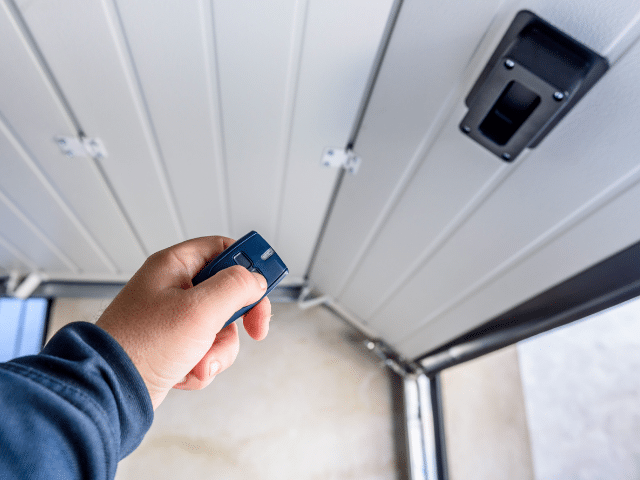
Curious How Does Garage Door Spring Work and why a heavy panel can lift with a light push?
We answer that question and make the basics clear. Torsion coils sit above the opening on a torsion bar. They store energy as they wind and release it as the opening rises. Extension coils run along the tracks and stretch or contract with movement.
Big panels can weigh 250–600 pounds. The coils supply torque to counterbalance that mass so the opener or your hand moves the panel smoothly. That means the motor does not do the heavy lifting and the system stays durable.
Emerald Garage Door Services is a local, family-owned team in Orlando and Central Florida. We are licensed, insured, and bonded. Our technicians are background-checked and available 24/7/365 for emergencies.
We guarantee parts, labor, and service. Call (407) 788-1229 or email EmeraldGarageDoorServices@gmail.com for fast help or honest advice.
Key Takeaways
- Coils store and release energy to counterbalance heavy panels.
- Torsion and extension types differ in placement and action.
- Springs protect the opener by doing the heavy lifting.
- Emerald provides licensed, bonded service with 24/7 support.
- Call or email for urgent inspections, repairs, or safe advice.
Why garage door springs matter for safe, smooth operation in Central Florida
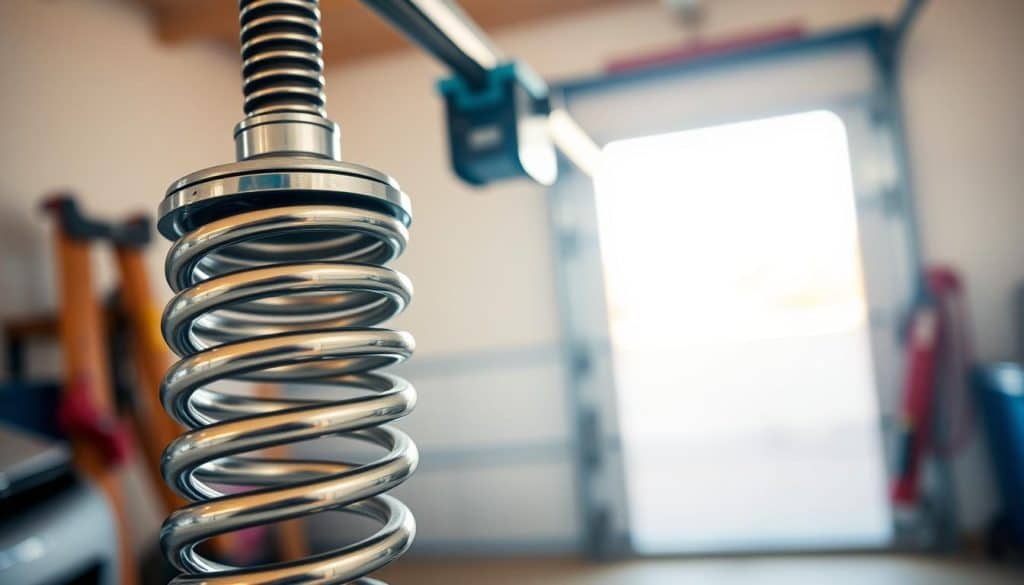
Proper spring balance makes daily operation predictable and safe in Central Florida. Springs hold and offset heavy panels so the opener and hardware face less strain. That reduces shaking, uneven travel, and the chance of a sudden drop.
Balanced systems protect parts. When springs match the weight of the panel, hinges, rollers, and the opener last longer. Torsion springs generally offer greater durability in our humid climate. They perform well on wide or insulated panels and require fewer adjustments than extension springs.
- Make heavy panels feel manageable for safe, predictable use.
- Reduce wear on openers and hardware, saving repair costs.
- Improve sealing and energy efficiency against Florida humidity.
- Busy homes and businesses increase spring wear; regular checks help.
We are Emerald Garage Door Services. We are family-owned in Orlando, licensed, insured, and bonded. Every technician is background-checked. We guarantee parts, labor, and service and offer 24/7/365 support. Call (407) 788-1229 or email EmeraldGarageDoorServices@gmail.com for prompt, trusted help.
How does garage door spring work
Controlled energy release from coils keeps panel movement smooth and safe. We explain the key parts in plain language so owners feel confident about performance and safety.
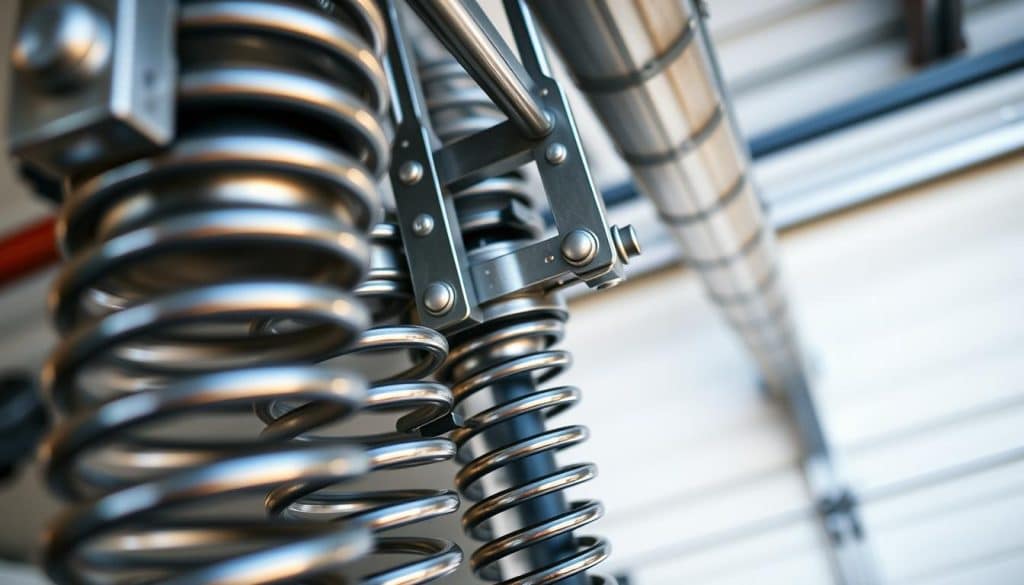
Storing and releasing energy to counterbalance heavy panels
Torsion springs generate torque. They unwind as the opening rises and rewind as it lowers, transferring stored energy through a shaft to the drums. That stored energy offsets panel weight so the opener only assists.
Cables, drums, and shafts: translating torque into lift
Steel cables wrap the drums and attach to the bottom brackets. The shaft turns the drums evenly. That even lift reduces wear on rollers, hinges, and tracks and keeps the system aligned.
Typical weights and what that means for performance
Large panels often weigh 250–600 pounds. Correct spring sizing and sometimes multiple springs are needed for reliable operation. Extension springs mount along the tracks and use pulleys to add lifting force on older setups.
- Components: springs, shaft, drums, cables, brackets.
- Benefit: precise calibration keeps the panel balanced at any point.
We keep explanations simple and offer 24/7/365 help if the mechanics seem overwhelming. Call us for safe, licensed service.
Torsion springs vs. extension springs
Not all counterbalance systems look the same; their layout tells you which spring type you have. We show where each coil sits and why that matters for balance, longevity, and safety.
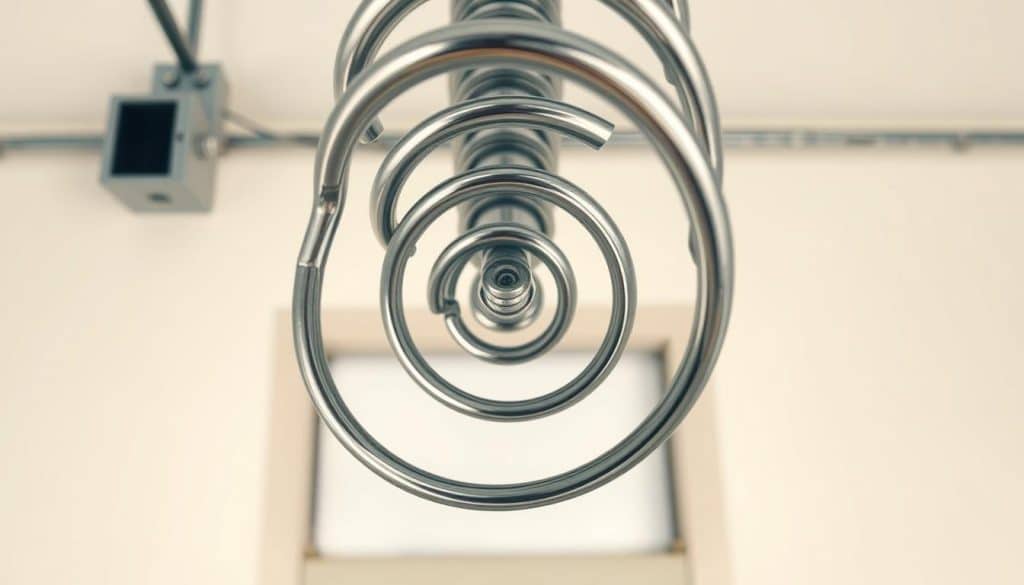
Locations and identification
Torsion springs sit on a shaft above the opening. Extension springs run along either side or above the tracks. A quick look tells you which system is installed.
Torsion action and torque
Torsion springs store rotational energy. They unwind to lift and rewind to lower, sending torque through a shaft and drums. This gives smooth, steady lift and greater durability on modern panels.
Extension movement and cables
Extension springs stretch and contract along the track. Pulleys and cables translate that linear force into lift. Containment cables are essential to stop loose coils from becoming hazards.
Variations, sizing, and color codes
Residential setups often use single or paired torsion coils. Commercial doors may use linear, duplex, or triplex configurations for higher loads.
- Locate: torsion above, extension along tracks.
- Color codes: torsion wind marks (red = left, black = right). Extension colors match lifting capacity.
- Size matters: correct sizing keeps motion even and protects the opener.
We recommend professional measurement and calibration. Call Emerald Garage Door Services for accurate sizing, safe installation, and reliable setup in Orlando and Central Florida.
Maintenance, safety, and lifespan of garage door springs
A simple twice-yearly tune-up protects performance and reduces risks. Small checks and timely cleaning stop many common problems.
Simple upkeep you can do safely
Clean visible debris around tracks and hinges. Wipe away dirt that can bind parts. Lubricate moving parts about twice per year to keep smooth operation.
Expected cycle life and what shortens it
Most systems last about 10,000 cycles. That often equals 7–15 years depending on use. Heavy daily cycles, Florida moisture, and skipped maintenance shorten lifespan.
Why DIY adjustment is risky and when to call us
Stored energy in coils can release suddenly. That can cause severe injury and damage. Never attempt tense adjustments yourself.
- Home routine: clean and lubricate twice yearly.
- Balance check: open halfway — if it snaps or slams, call for service.
- Replacement tip: replace both units at once to keep balance.
We provide licensed, insured, 24/7/365 service. Our background-checked techs handle repairs, calibrations, and warranty work on your schedule.
Signs you need garage door spring service or replacement
A sudden loud snap or a panel that stops mid-travel are clear warnings you should not ignore. These symptoms often mean a broken coil, snapped cables, or failing components that risk injury and further damage.
Common symptoms to watch for
- Sudden loud bang: a sharp snap often shows a broken spring or related failure.
- Visible gap in a coil: a clear break in a coil means immediate replacement is needed.
- Uneven or jerky movement: slow, stalled, or jerky operation during an open close cycle.
- Snapped cables, mid-cycle stops, or a panel that slams shut when released from halfway.
Immediate steps to stay safe
Stop using the opener and keep people and pets away from the opening. Do not pull the manual release on a heavy panel with a broken spring.
- Do not force the panel. Forcing can bend tracks or strip gears.
- Both torsion springs and extension springs can fail without warning and need professional tools and training to service safely.
- Schedule prompt service to avoid added damage and restore safe operation.
We recommend a matched door spring replacement to return balance and protect the opener and hardware. For fast, guaranteed help any time in Central Florida, call Emerald Garage Door Services 24/7/365 at (407) 788-1229 or email EmeraldGarageDoorServices@gmail.com.
Local help in Central Florida from Emerald Garage Door Services
A fast, local response restores balance and keeps your entry working when it matters most.
We offer 24/7/365 emergency repairs, spring replacement, and routine tune-ups across Orlando and surrounding areas. Our family-owned team, led by James Balfe, responds quickly to broken hardware and safety risks.
24/7/365 emergency repairs, replacements, and tune-ups
We handle urgent repairs and full door spring replacement any time of day. We stock common parts to finish most calls on the spot. Regular inspections and scheduled tune-ups extend component life and prevent sudden failures.
Licensed, insured, bonded, and guaranteed service you can trust
- We service and install complete garage door systems and modern openers, matching torsion or extension solutions to your model.
- Every technician is background-checked. We are licensed, insured, and bonded for your peace of mind.
- We guarantee parts, labor, and service and tailor maintenance plans that keep your system quiet, safe, and reliable.
- Call us any time: (407) 788-1229 or email EmeraldGarageDoorServices@gmail.com for fast scheduling.
Conclusion
When coils and cables match the panel, operation stays quiet, steady, and safe. Springs store energy and release it to lift the panel, protecting the opener and the rest of your garage door.
Torsion setups usually deliver smoother, longer life than extension systems. Regular maintenance, like light lubrication twice a year and professional inspections, can extend service across many years.
Watch for sudden snaps, uneven travel, or a panel that won’t lift. Never attempt DIY spring adjustments. Call our local team for matched parts and safe calibration.
We’re Emerald Garage Door Services. We guarantee parts, labor, and service and are available 24/7/365. For fast help, call (407) 788-1229 or email EmeraldGarageDoorServices@gmail.com.
FAQ
What parts store energy to lift a heavy overhead entry?
Springs mounted above or beside the opening store mechanical energy. Torsion types twist on a shaft to generate torque. Extension types stretch along the tracks and contract to pull the panel upward. Both counterbalance the door’s weight so the opener can move it with minimal effort.
How do the cables, drums, and shaft translate stored force into motion?
A torsion setup winds coils on a steel shaft. When the drum turns, the cable winds or unwinds, raising or lowering the panel evenly. In an extension arrangement, pulleys guide the cable as the springs lengthen and shorten, converting linear force into vertical movement.
What typical weights affect spring selection for residential and commercial panels?
Sectional home units commonly weigh 100–400 pounds, while heavy commercial models exceed that. Technicians match spring strength, wire size, and cycle rating to these loads to ensure safe balance and smooth travel over time.
Where are torsion and extension types located on a standard system?
Torsion coils sit above the opening on a central shaft. Extension coils run parallel to the horizontal tracks, usually on both sides. Location affects safety, required hardware, and how service is performed.
How do torsion springs generate torque and operate during opening and closing?
Torsion coils are wound tightly. As the panel opens, the shaft rotates and the coils unwind, releasing stored torque to help lift the weight. Closing rewinds the coils, storing energy again for the next cycle.
How do extension springs function with pulleys and cables?
Extension units stretch as the panel lowers and contract when it rises. The connected cables and pulleys channel that linear motion into lifting force. Balanced pairs are used to keep movement steady and reduce wear.
Are there differences in spring setup between homes and businesses?
Yes. Commercial doors often need heavier-duty coils, multiple springs, and higher cycle ratings. Residential systems use lighter components but should still be sized to the panel’s weight and usage frequency.
What do color codes and wind direction indicate about a coil?
Manufacturers paint ends to show wire size, length, and wind (left or right). Correct orientation and color-matched replacements ensure proper torque and safe operation. Mismatched coils cause imbalance and premature failure.
What simple maintenance can homeowners perform safely?
Keep tracks and rollers clean, check cables for frays, and apply a light silicone or lithium spray to bearings and coil surfaces every six months. Visual inspections help catch issues early, but do not attempt spring adjustments.
How long do typical coils last, and what affects lifespan?
Life is measured in cycles. Standard coils run about 10,000 cycles; heavy-duty options reach 25,000–100,000 cycles. Factors like humidity, usage frequency, improper sizing, and lack of lubrication shorten service life.
Why is DIY coil repair dangerous and when should we call a pro?
Coils store extreme force. Handling, winding, or replacing them without specialized tools and training risks severe injury and damage. Call Emerald Garage Door Services for adjustments, replacements, and spring tensioning.
What are the most common signs a coil needs service or replacement?
Sudden loud snaps, visible gaps in the winding, uneven travel, and the panel sitting crooked or slamming closed all indicate failure. Any of these require immediate inspection and likely replacement.
What immediate steps keep people safe after a coil failure?
Stop using the opener, secure the area, and disconnect power to the operator. Do not attempt to manually raise a heavy panel. Call our emergency line so technicians can assess and secure the system safely.
What emergency and routine services does Emerald Garage Door Services provide in Central Florida?
We offer 24/7/365 emergency repairs, scheduled replacements, spring balancing, and tune-ups across Orlando and nearby communities. Our teams are licensed, insured, bonded, and back every job with a workmanship guarantee.
How do we ensure replacements are the correct size and rated for each opening?
Technicians measure door weight, panel type, and cycle demands, then select coils by wire size, length, and torque rating. We verify balance after installation to confirm smooth, safe operation and long-term performance.